
Værutsikt: A Smarter Way to Explore Weather Forecasts in Norway
Norway’s weather can change dramatically between a coastal village, an inland valley and a mountain pass. A calm morning in Oslo may coincide with showers in Bergen or snow in the mountains around Tromsø. A useful forecast should show how conditions may develop and how confident the prediction is.
Værutsikt is a Norwegian-language weather website built around that idea. It combines local forecasts, long-range weather trends, seasonal outlooks and practical planning tools in one accessible service. The platform currently covers 614 locations across Norway and 36 other countries, including popular destinations visited by Norwegian travelers. Forecast information is updated regularly, with standard weather data refreshed hourly.
What Is Værutsikt?
Værutsikt, meaning roughly “weather outlook” in English, is designed for anyone looking for a clear overview of local conditions and longer-term changes. Its homepage offers a place search, current conditions, popular Norwegian cities, nearby locations and a weekly weather overview. Users can switch between Celsius and Fahrenheit, save favorite destinations and compare conditions across places.
The service does not require an account, and its core forecasts are free to access. According to its own description, the site is also advertising-free. Instead of presenting every future day as if it could be predicted precisely, Værutsikt distinguishes daily forecasts from statistical trends and explains the uncertainty associated with longer time horizons.
Weather Forecasts from the Next Hour to Six Months
A defining strength of Værutsikt is its layered approach to forecasting. Each forecast uses a level of detail appropriate to its time horizon.
| Forecast horizon | What you can explore | Best used for |
|---|---|---|
| Current conditions | Temperature, feels-like temperature, wind, humidity and precipitation | Deciding what to wear or whether to leave now |
| Next 48 hours | Hour-by-hour weather and changing conditions | Commuting, short trips and outdoor activities |
| Next 15 days | Daily highs, lows, rain and wind forecasts | Planning weekends and upcoming travel |
| Approximately 30 days | Calendar combining forecasts, broader trends and climate context | Understanding the remainder of a month |
| Next six weeks | Weekly temperature and precipitation anomalies | Identifying possible warmer, colder, wetter or drier periods |
| Next six months | Seasonal outlooks compared with typical conditions | Exploring broad seasonal tendencies, not specific daily weather |
Hourly and 15-Day Forecasts
Individual location pages provide a practical view of changing weather, including temperature, precipitation, wind speed and gusts. The Oslo weather page, for example, includes current observations and model-based estimates, a 15-day summary, the next 48 hours, a calendar and detailed day-by-day descriptions. Sunrise, sunset and daylight duration add useful context during Norway’s long summer evenings and short winter days.
Wind, rain and temperature should be considered together rather than relying on a single weather icon.
Six-Week and Seasonal Outlooks
The long-range forecast section focuses on changes relative to local climate averages. Users can investigate whether upcoming weeks are expected to be warmer or colder than normal, with indications of wetter or drier conditions. Monthly seasonal information extends the view farther ahead.
These outlooks should not be mistaken for exact predictions of rain on a particular afternoon several weeks from now. They describe wider patterns and model signals. Værutsikt labels forecast confidence using categories such as high, medium, low and trend, helping readers distinguish useful signals from more uncertain possibilities.
Weather Information for Cities, Fjords and Mountains
Norway’s geography creates highly localized weather. Atlantic moisture affects the western coast, mountain ranges influence precipitation and temperatures, and northern areas experience extreme seasonal differences in daylight. Værutsikt organizes forecasts by places and Norwegian counties, allowing readers to move beyond a nationwide average.
| Location | Geographic context | Why checking the forecast matters |
|---|---|---|
| Oslo | Southeastern Norway, beside the Oslofjord | City activities, commuting and seasonal temperature changes |
| Bergen | Western coastal Norway | Frequent rainfall and rapidly changing outdoor conditions |
| Trondheim | Central Norway | Travel planning, wind and shifting seasonal weather |
| Stavanger | Southwestern coast | Coastal winds, rain and maritime activities |
| Tromsø | Northern Norway, above the Arctic Circle | Winter conditions, daylight and northern lights viewing |
| Bodø | Northern coastal Norway | Wind exposure, ferries and outdoor travel |
Image: Rain in Bergen. KnutfAen, Wikimedia Commons, CC BY-SA 3.0.
Travel Weather Beyond Norway
Although Norway is the primary focus, the website includes destinations abroad, such as Alicante, Barcelona, London, Alanya and Las Palmas. Travelers can compare holiday conditions with weather at home and use climate normals when choosing a travel month.
More Than Temperature: Practical Weather Tools
Værutsikt offers specialized information that can help users decide when to travel, exercise, photograph landscapes or prepare for disruptive conditions. Available features include:
- Precipitation radar: Recent radar imagery for following rainfall and its movement.
- Official weather warnings: Hazard alerts issued by the Norwegian Meteorological Institute.
- Air quality, UV and pollen: Environmental indicators relevant to outdoor plans, where data is available.
- Sun and moon information: Sunrise, sunset, twilight and lunar phases.
- Sea and bathing temperatures: Marine information for coastal activities, with limitations near shore.
- Ski conditions: Snow-related information for ski destinations.
- Northern lights forecast: Aurora-related guidance based on space-weather information.
- Location comparison and favorites: Quick ways to monitor several destinations.
Northern Lights Forecasts in Tromsø and Beyond
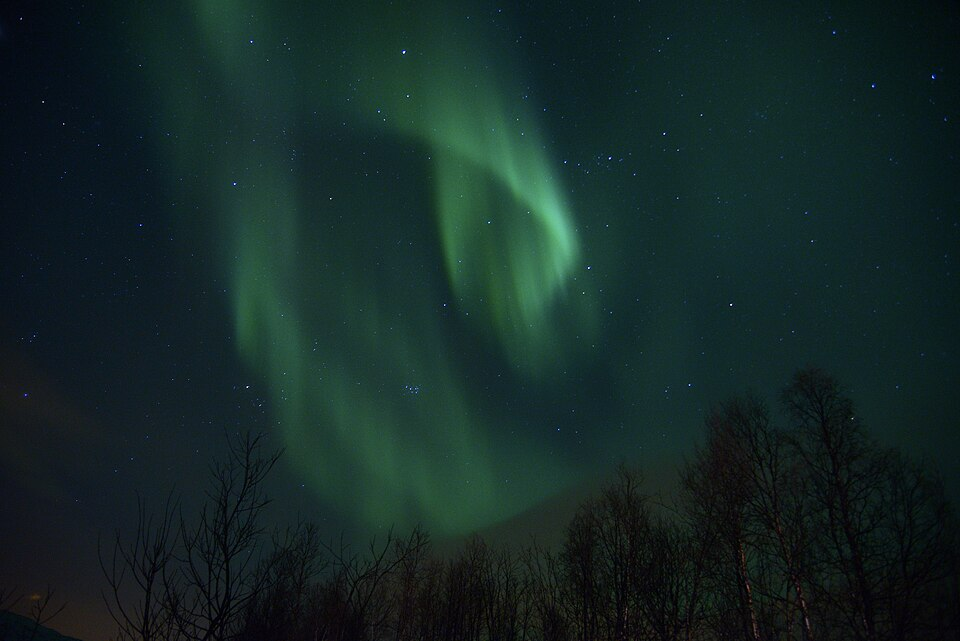
The northern lights section is particularly relevant in northern Norway. Aurora borealis visibility depends on several factors, including geomagnetic activity, darkness and local cloud cover. Værutsikt draws on information from the NOAA Space Weather Prediction Center, including the Kp index and auroral outlooks.
A promising geomagnetic forecast does not guarantee a visible display. Travelers should also check local cloud conditions and remember that artificial lighting, terrain and timing can influence the viewing experience. Using weather and space-weather information together provides a more realistic basis for planning an aurora excursion.
Where Does Værutsikt Get Its Weather Data?
Transparent sourcing is central to the site’s presentation. Værutsikt does not claim to employ forecasters producing individual hand-written predictions. Instead, it processes information from established meteorological models, open-data providers and official organizations, displaying the resulting figures and automatically generated location summaries.
| Data provider or model | Role on Værutsikt |
|---|---|
| Open-Meteo | Aggregation and delivery of forecast, historical and other weather datasets |
| ECMWF | Medium-range forecasts, EC46 weekly outlooks and SEAS5 seasonal predictions |
| MET Norway | Official Norwegian hazard warnings and precipitation radar |
| NOAA SWPC | Aurora and geomagnetic activity information |
| Copernicus CAMS | Air quality, UV and model-based pollen information |
| TerraClimate | Historical monthly climate normals for 1991–2020 |
The site’s data sources and licenses page explains these relationships and the relevant reuse conditions. Værutsikt is independent of organizations such as MET Norway and ECMWF, even though it uses available data from them. For potentially dangerous weather, users should follow official alerts and advice from the responsible public authorities.
Understanding Climate Normals and Forecast Uncertainty
One of the most useful distinctions on Værutsikt is the difference between weather, climate and a forecast trend. Weather describes atmospheric conditions at a particular time. Climate normals summarize typical conditions across a longer reference period. A trend represents what a forecast model suggests may happen relative to those expectations.
The site’s monthly pages use 1991–2020 climate normals, allowing readers to compare recent temperatures and precipitation with longer-term averages. In a 30-day calendar, observed or analyzed past conditions, detailed forecasts and more distant trends are clearly separated. These different time horizons should not be interpreted with equal confidence.
How to Use Værutsikt Effectively
Getting useful answers requires only a few steps:
- Search for a place such as Oslo, Bergen or Tromsø, or explore nearby locations.
- Check current conditions for temperature, wind, precipitation and daylight.
- Open the 48-hour or 15-day view for short-term plans and upcoming events.
- Review long-range trends when considering a later week or travel month.
- Consult specialized tools such as radar, official alerts or aurora information when relevant.
- Save favorite places or compare destinations to make repeated checks easier.
Website owners can also explore the free weather widget, which provides a way to display forecast information on another website. Visitors need no account.
Frequently Asked Questions
Is Værutsikt free to use?
Yes. The service presents its forecasts and weather tools as free, with no mandatory login or advertising.
Does Værutsikt cover only Norway?
No. Alongside Norwegian towns, cities and outdoor destinations, it lists locations in 36 other countries, including several European and Mediterranean travel destinations.
Can a six-month weather forecast predict a specific rainy day?
No. Seasonal models are intended to reveal broad temperature or precipitation tendencies. Specific daily conditions become substantially less predictable far into the future.
Is Værutsikt an official government weather service?
No. It is an independent weather website that incorporates open weather-model datasets and displays official hazard alerts from MET Norway.
Final Thoughts
Værutsikt brings together Norway-focused local weather forecasts, climate comparisons and longer-range outlooks in a clear, practical format. Its most meaningful feature is not simply the amount of information available, but its effort to show where precise forecasts end and less certain trends begin. Whether preparing for a city weekend, a coastal journey, a mountain hike or a northern lights trip, visitors can use the service to make plans with a better understanding of both expected conditions and forecast limitations.